Sweet Charity
In one sentence: an iconic musical about a woman seeking real love
How did it come about?
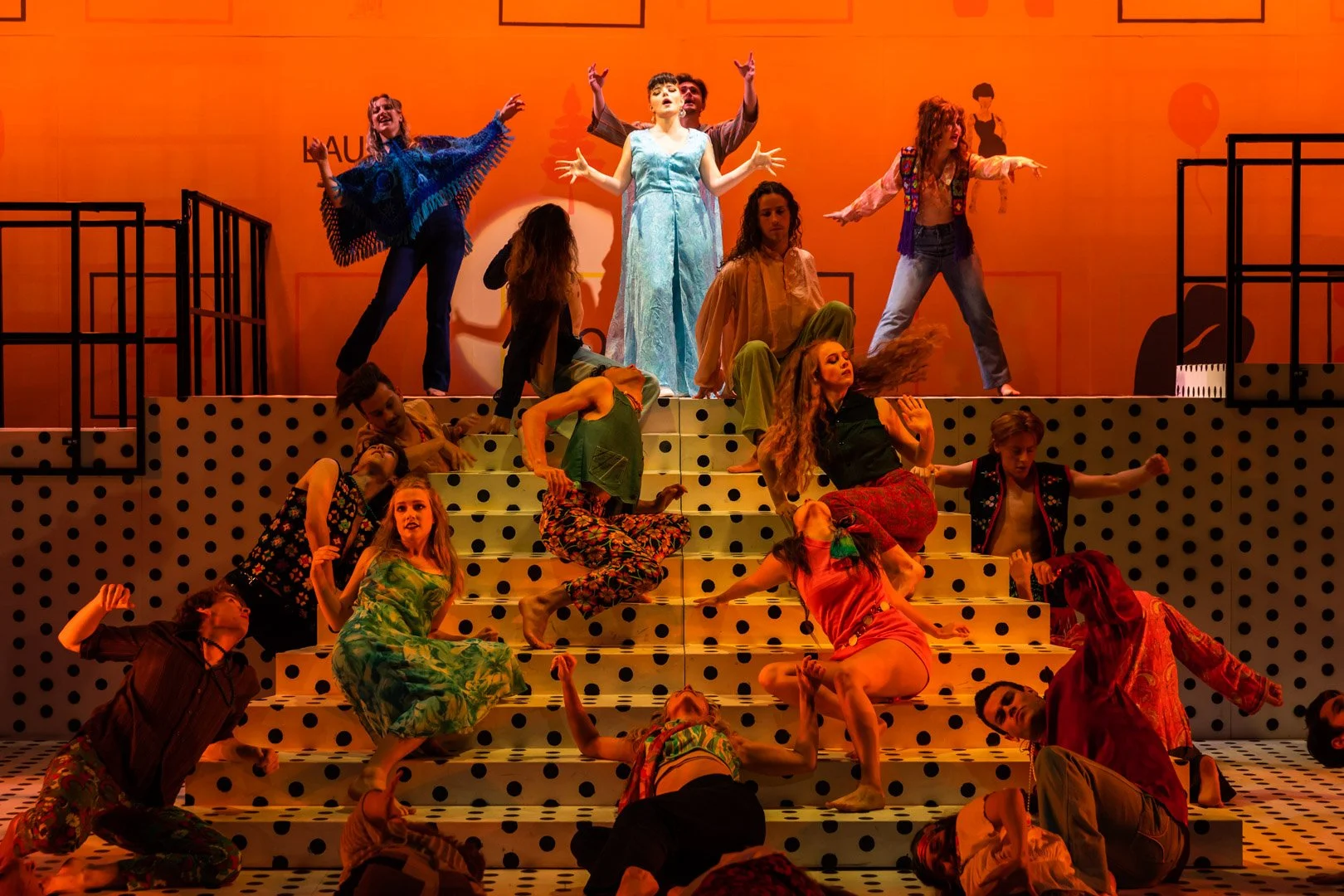
I selected Sweet Charity in late 2020, not knowing whether we would be able to perform it, being as we were in the midst of a global pandemic and endless lockdowns in Melbourne. Creatively speaking, in choosing to work on the iconic musical, I was aware of its ghosts (the greats that defined it), its problematic pitfalls its contemporary potential. I wanted to offer an intersectional-feminist interpretation that incorporated queer theory, critical race theory and feminist theory, but in ways that were simple, clear and immediately accessible and relevant to the students on the floor. Though I started the process with my own reading and casting the show, this was just the beginning. The production and music theatre students I worked with were great collaborators in offering their lived experience perspectives and contributing to an open and rigorous dialogue about the politics of representation in each moment. My Assistant Director Alice Qin and choreographer Freya List were also instrumental in realising the reading and Alice in particular offered nuance perspectives that enriched the process. I was blessed with student design team whose commitment to my vision was exemplary and utterly professional. Though we were impacted by strict COVID rules and so couldn’t have a public audience, our in-house audiences were so precious in the process.
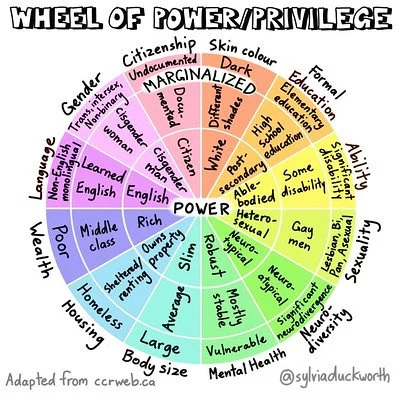
There are two key things I want to mention as significant to the process of directing the work: the Covid restrictions we had to work with and an interpretative tool I used called the Wheel of Privilege.
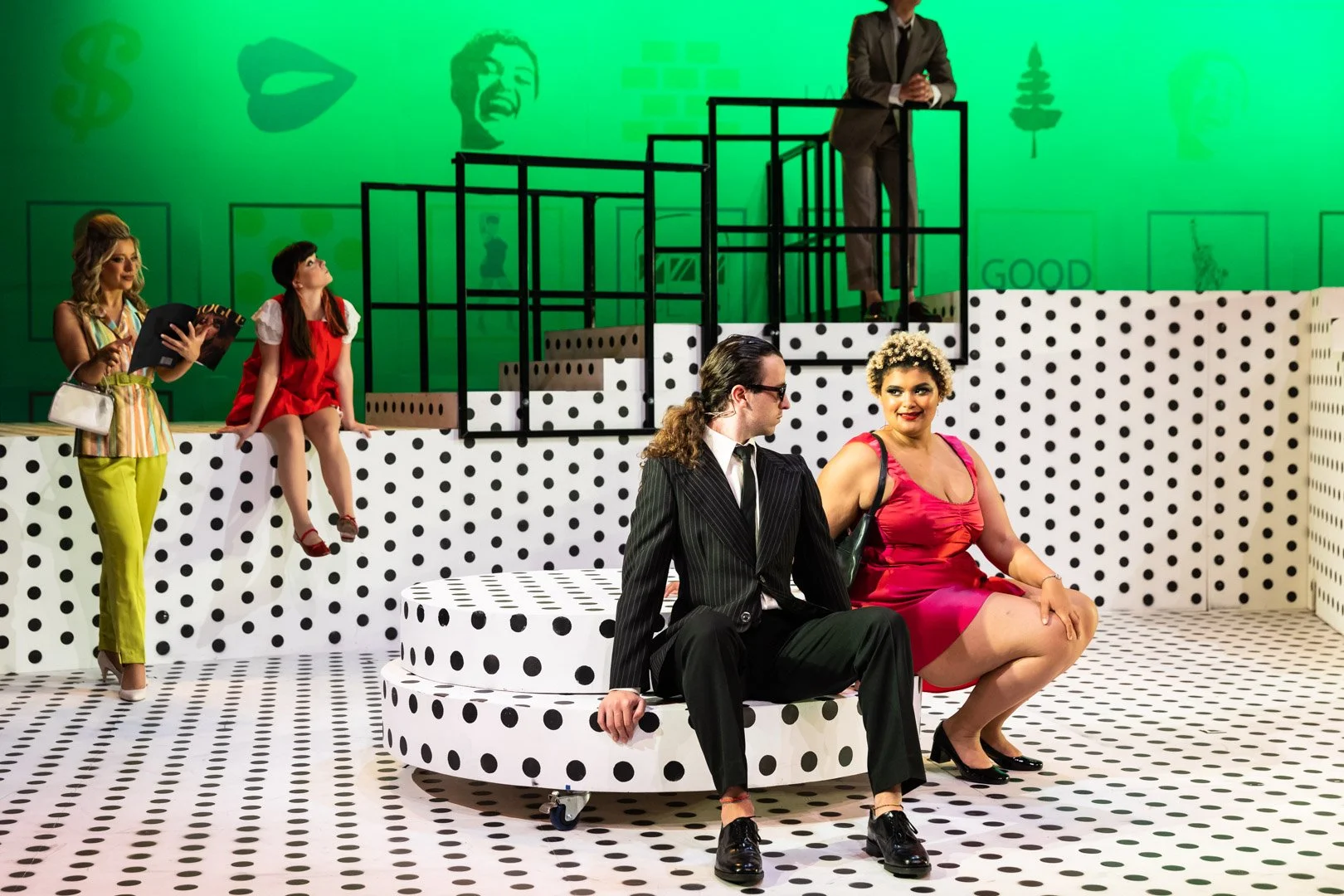
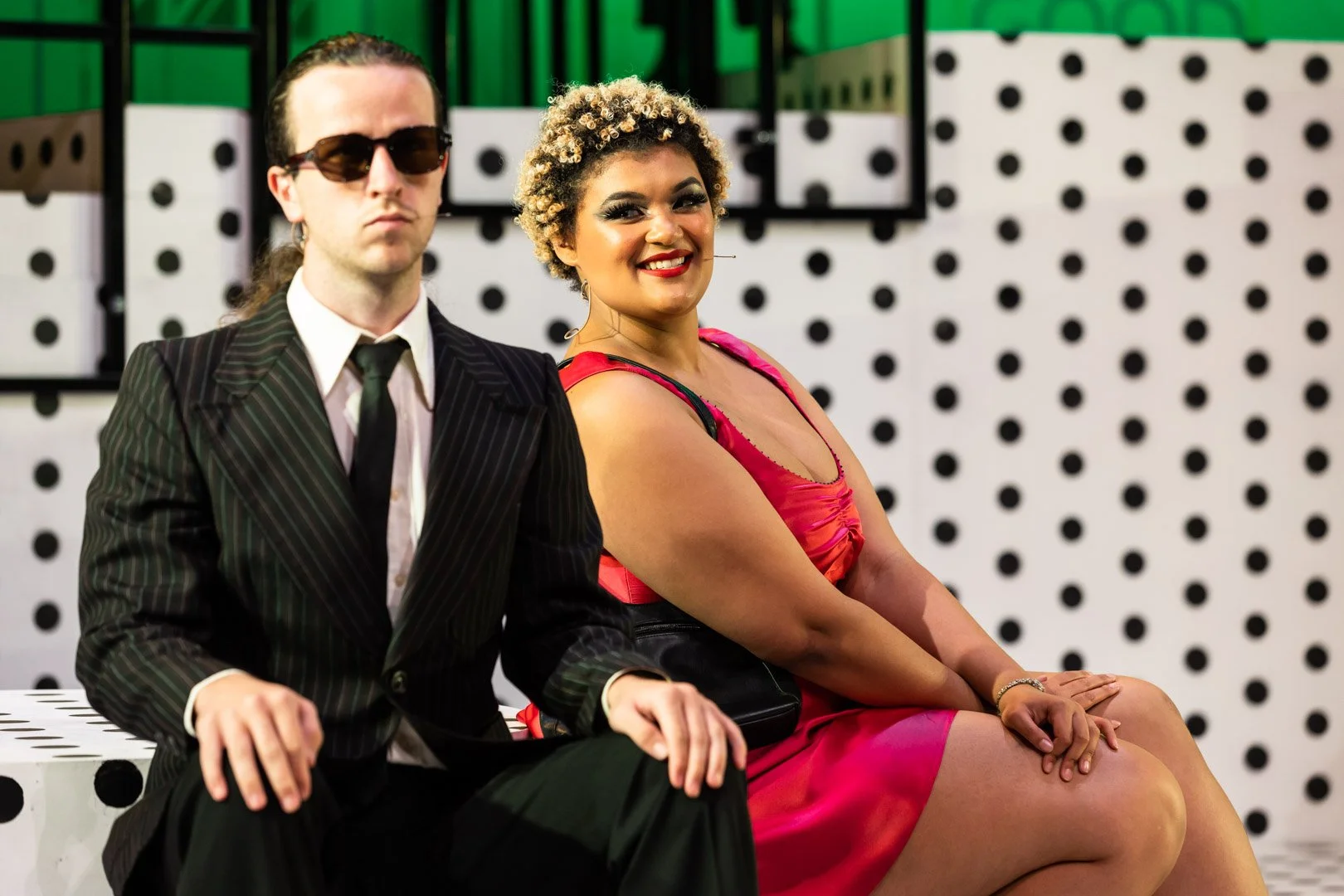
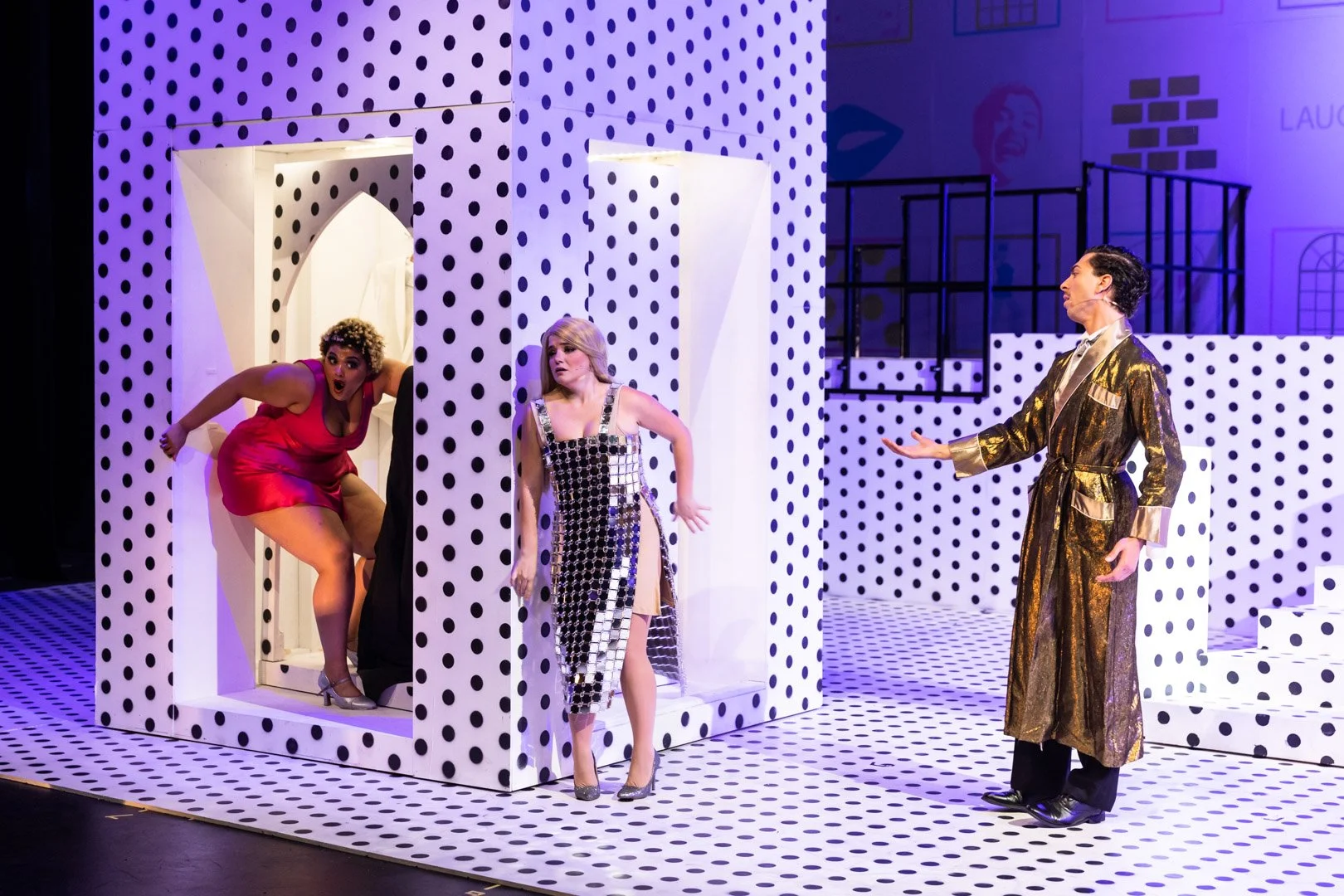
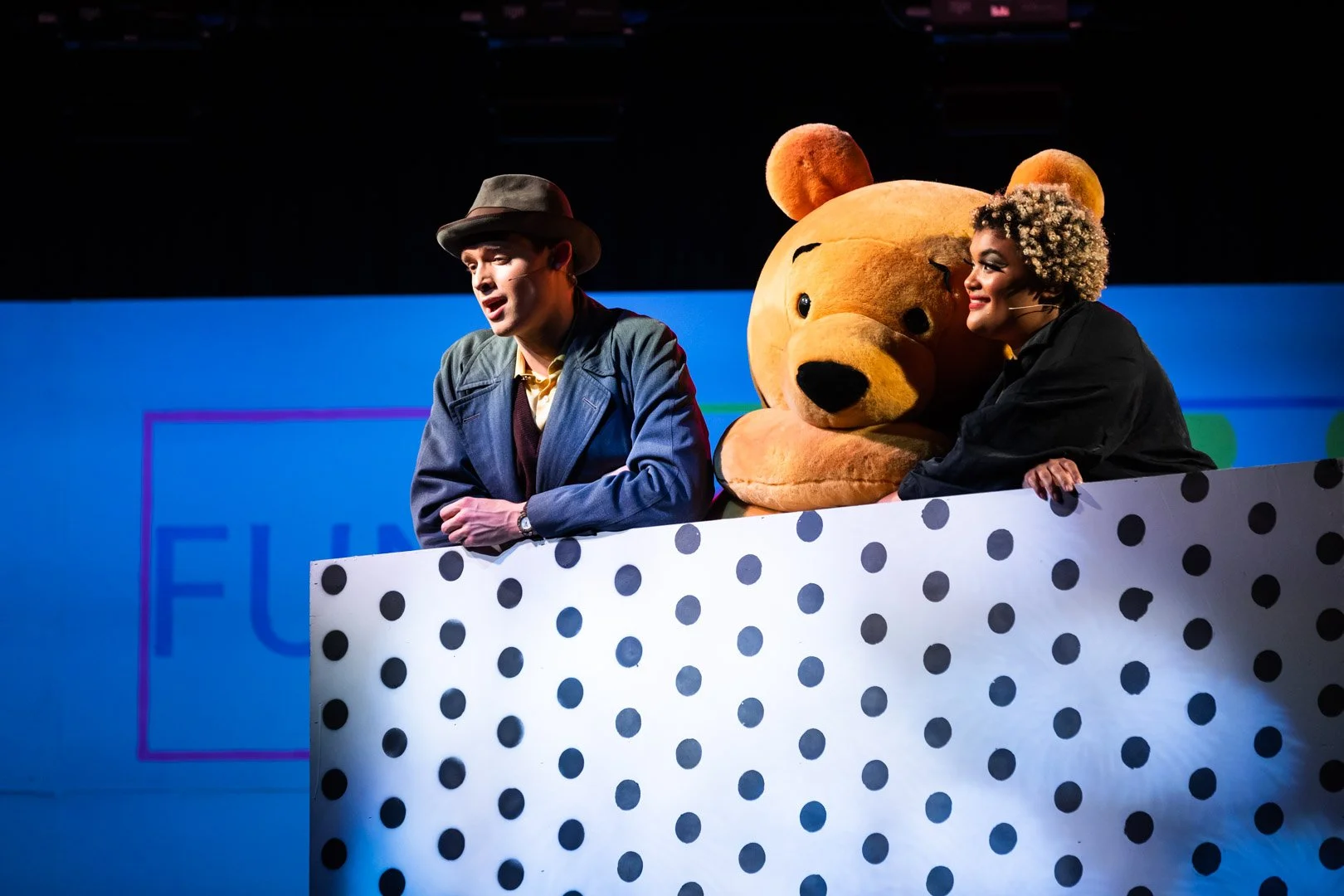
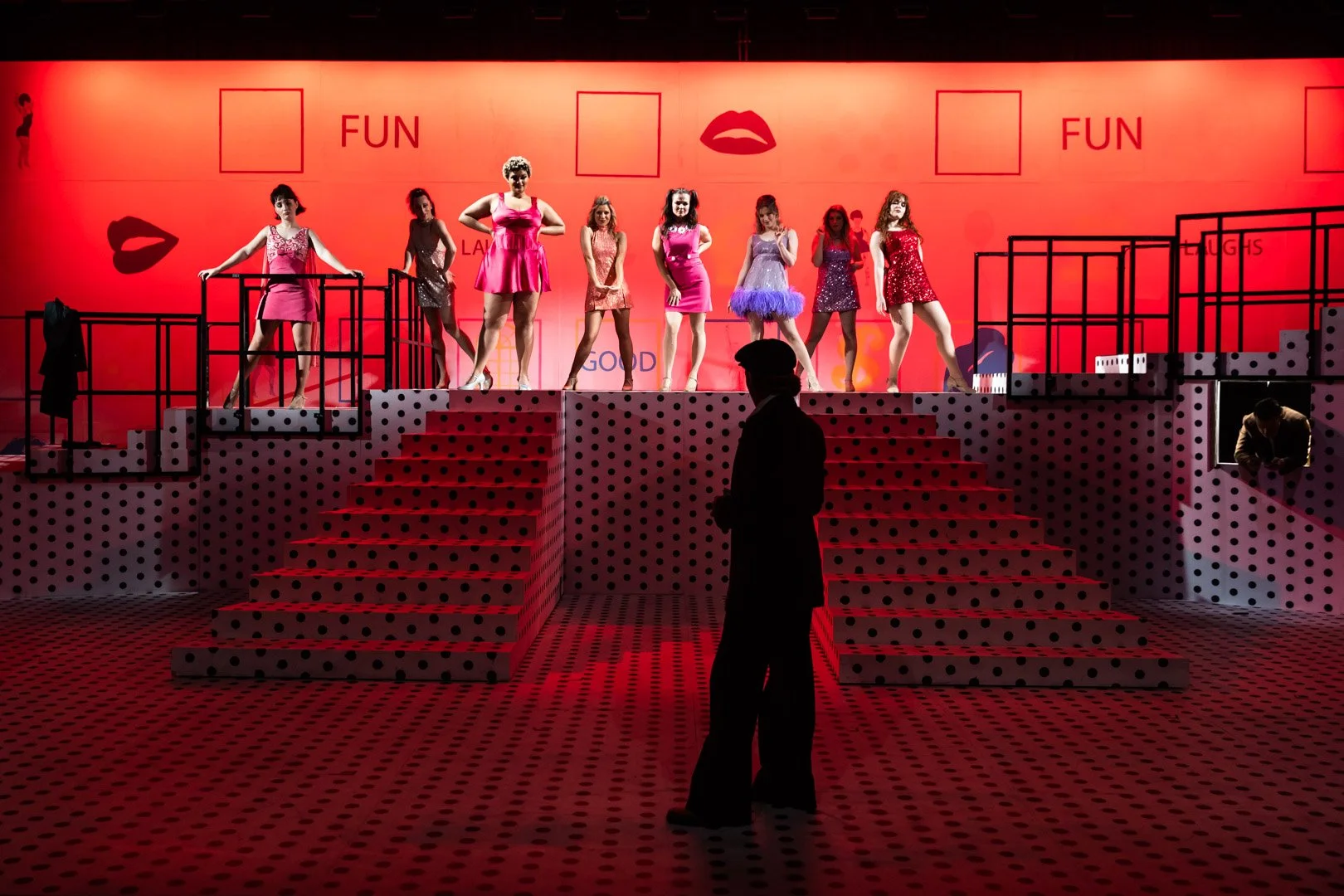
The task was to direct a musical about a woman looking for love (the love of her life, consuming, perfect love), whose occupation requires her to sell an intimate experience, in the form of a taxi-dancer, all without touching and actors maintaining social distancing for the entire production. It was also set in the 1960s but nothing that resembled smoking was permitted (due to rules of the University). This forced me to get so very creative with the design team and also in how the staging, choreography and overall reading of the text was embodied. One of my favourite solutions to the scene in the ride where Charity and Oscar are supposed to cling to each other, leading to a romantic moment, was to place a novelty sized giant bear between them that one could assume had been obtained at the fair. This ridiculous prop - provided by an ASM who indeed happened to have such a bear at home - enabled moments of intimacy to be suggested and a playful tone to exist throughout the scene and into the titular song, but also keep the actors far enough apart that they were Covid safe.
To enable an intersectional-feminist reading of the musical with time constraints and new actors (3rd year students), I used a tool called The Wheel of Privilege and used it to help anchor discussions around how far away from the social power or personal power characters were within a scene, no matter the size of the role. It proved an incredibly useful pedagogical tool as the students could track where the power shifted from scene to scene, but also a great way to arrive at a reading of each scene that the actors could feel ownership over and that also served the intersectional-feminist reading I was trying to achieve.
Here is the blurb I wrote summarising our version of Sweet Charity:
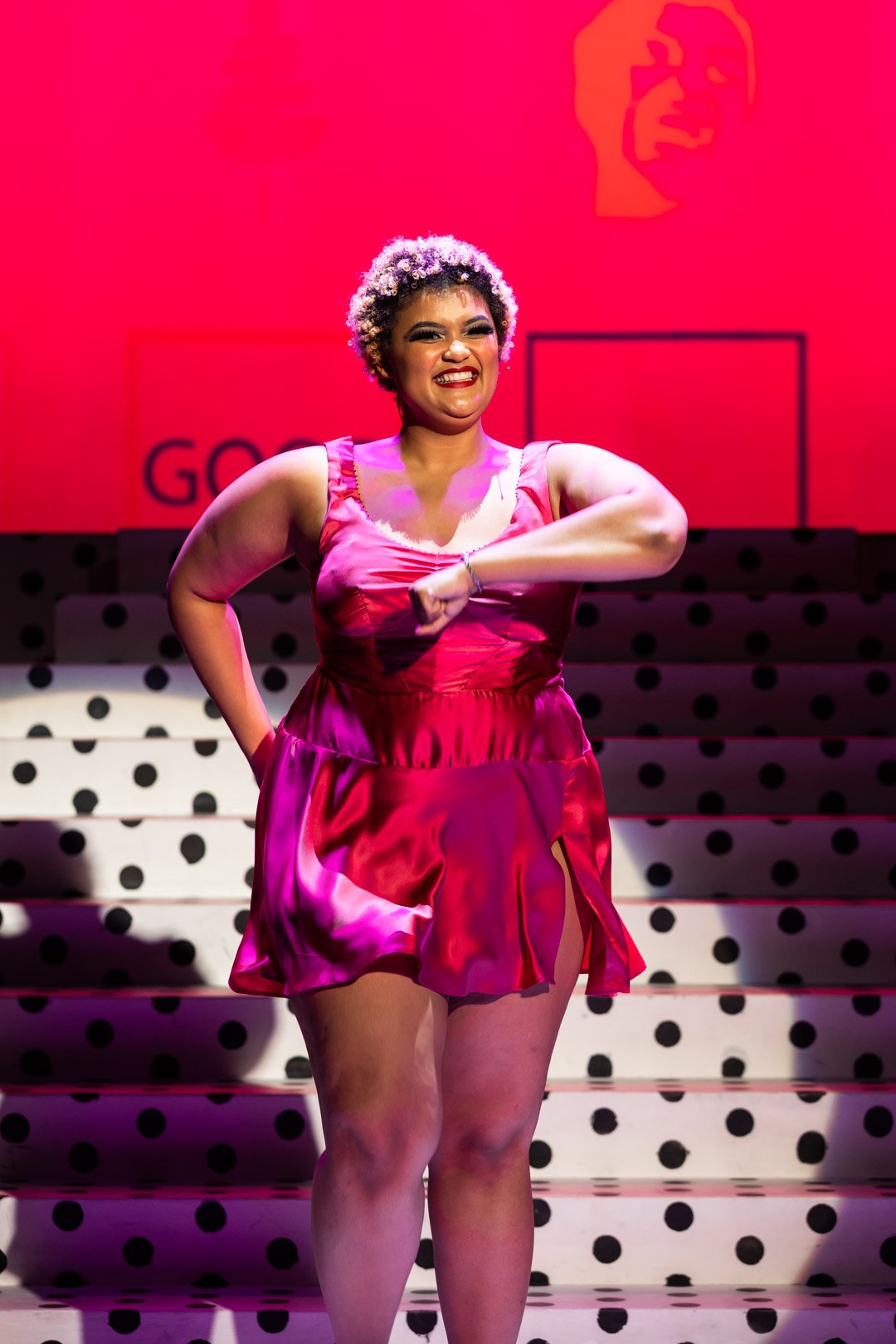
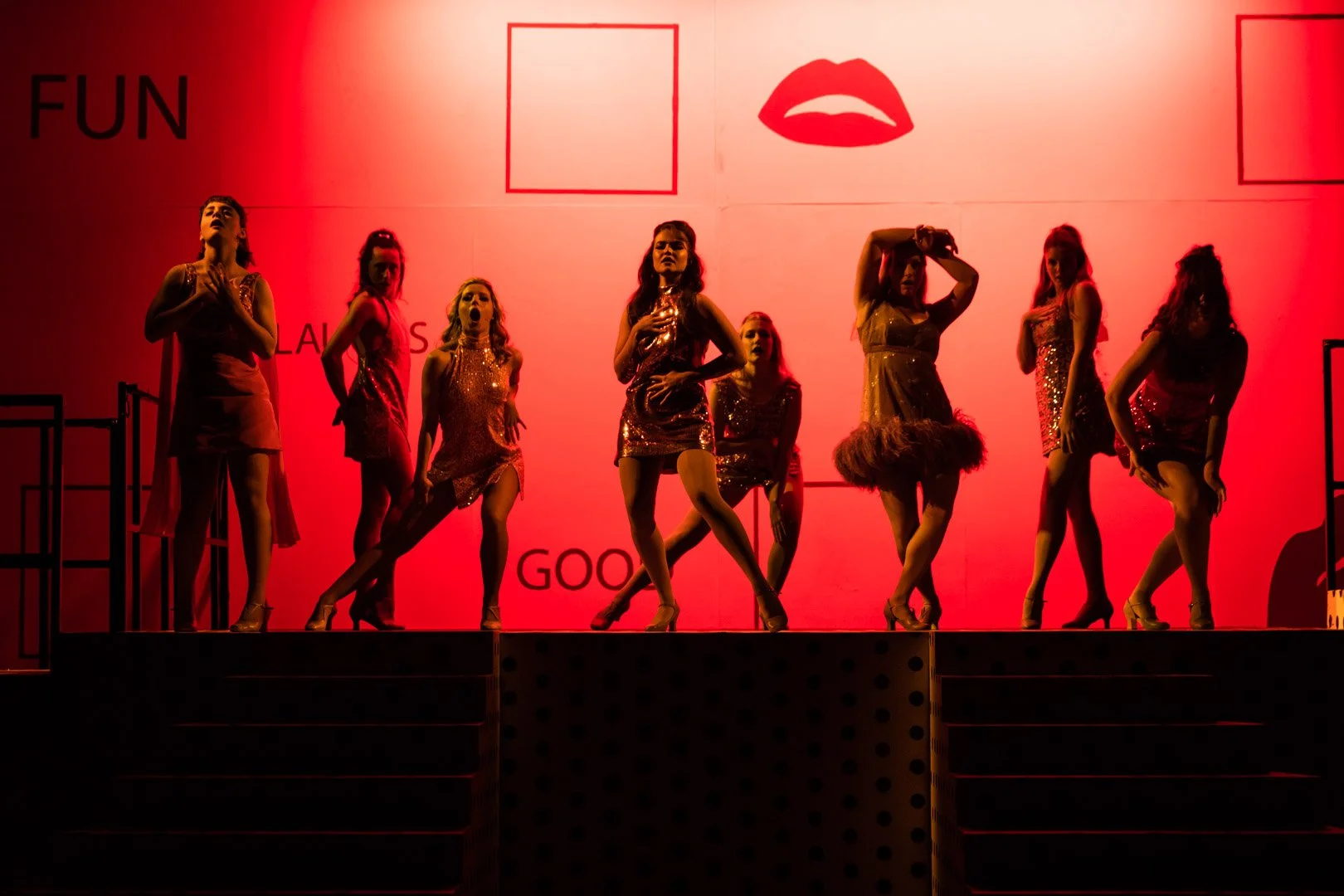
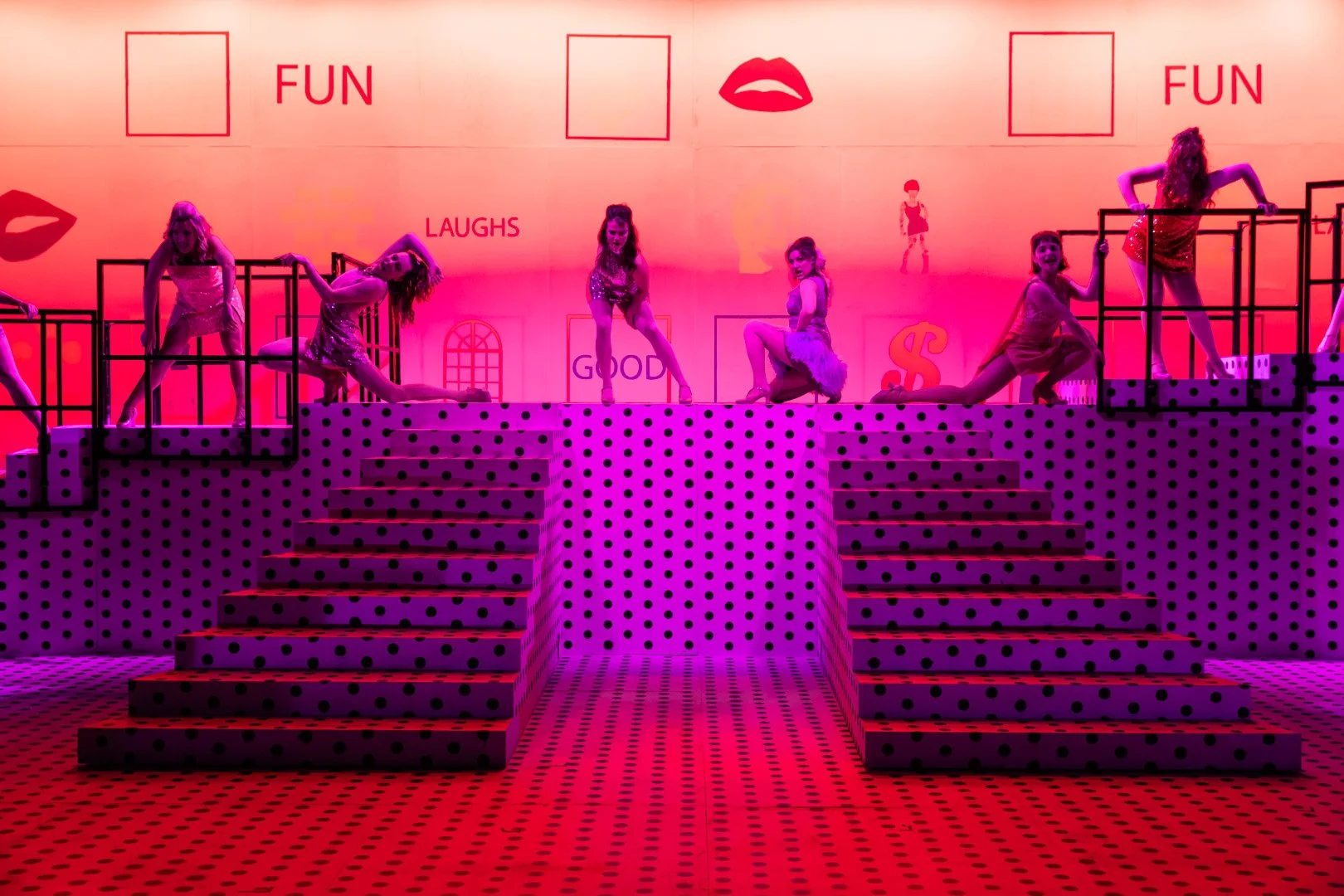
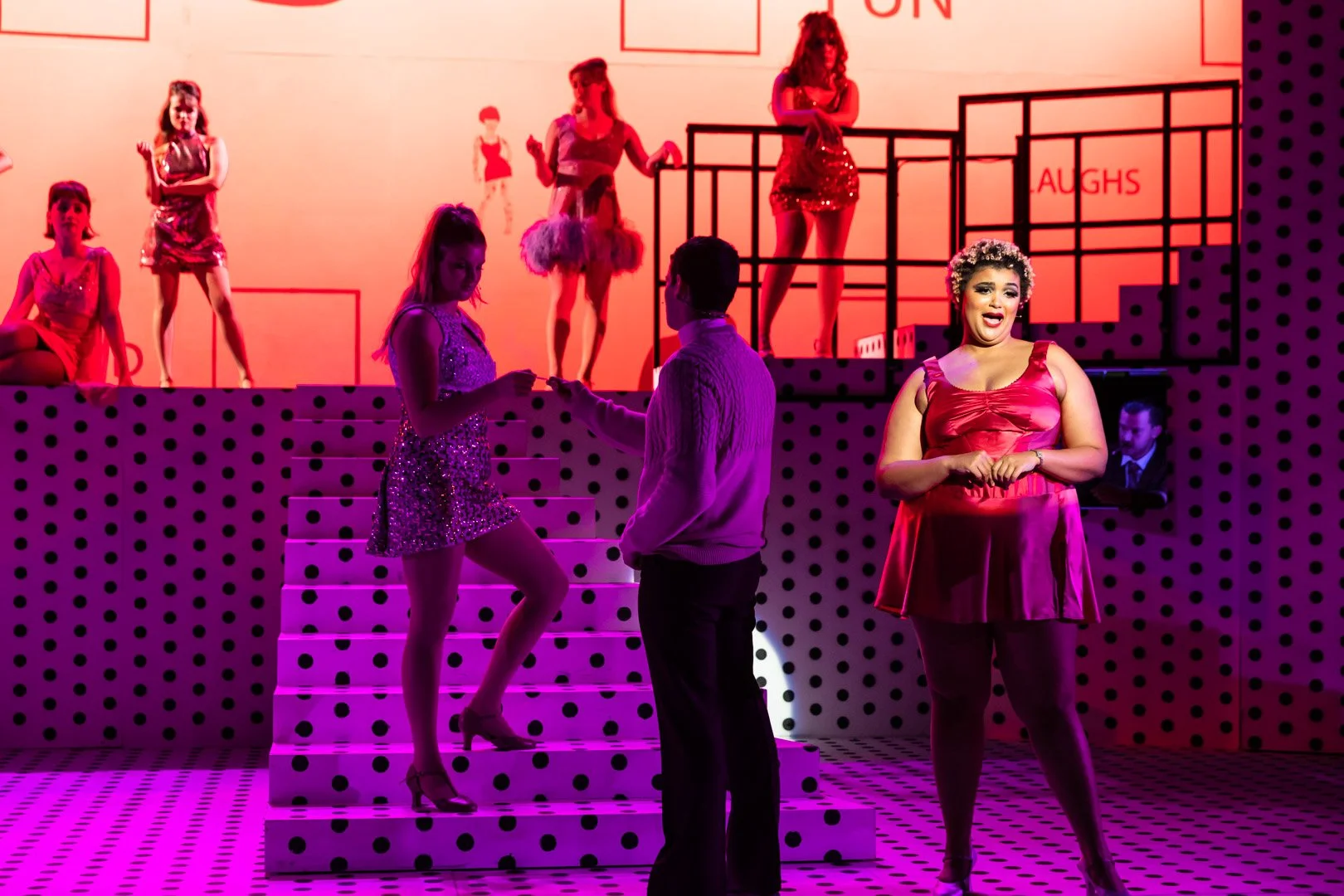
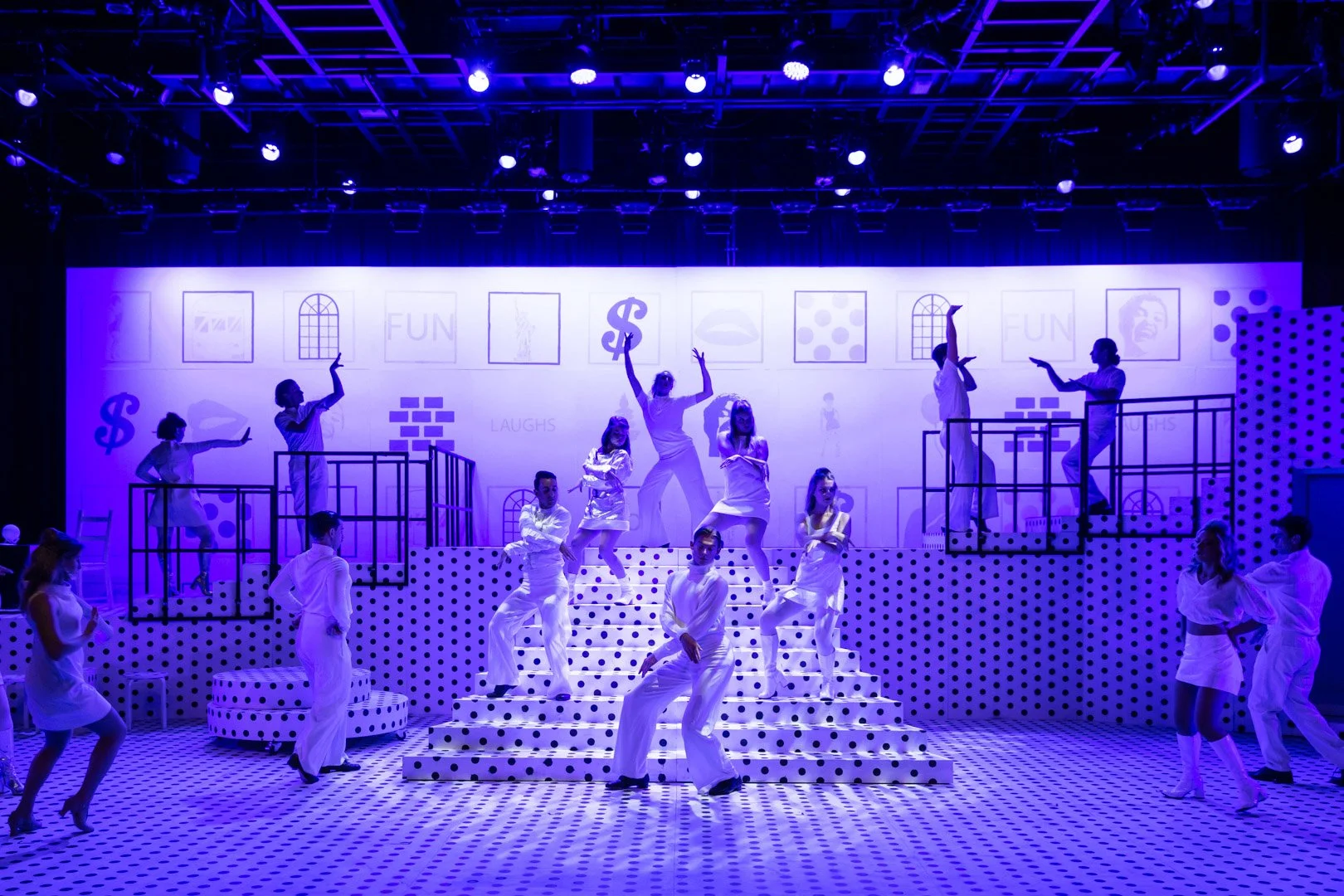
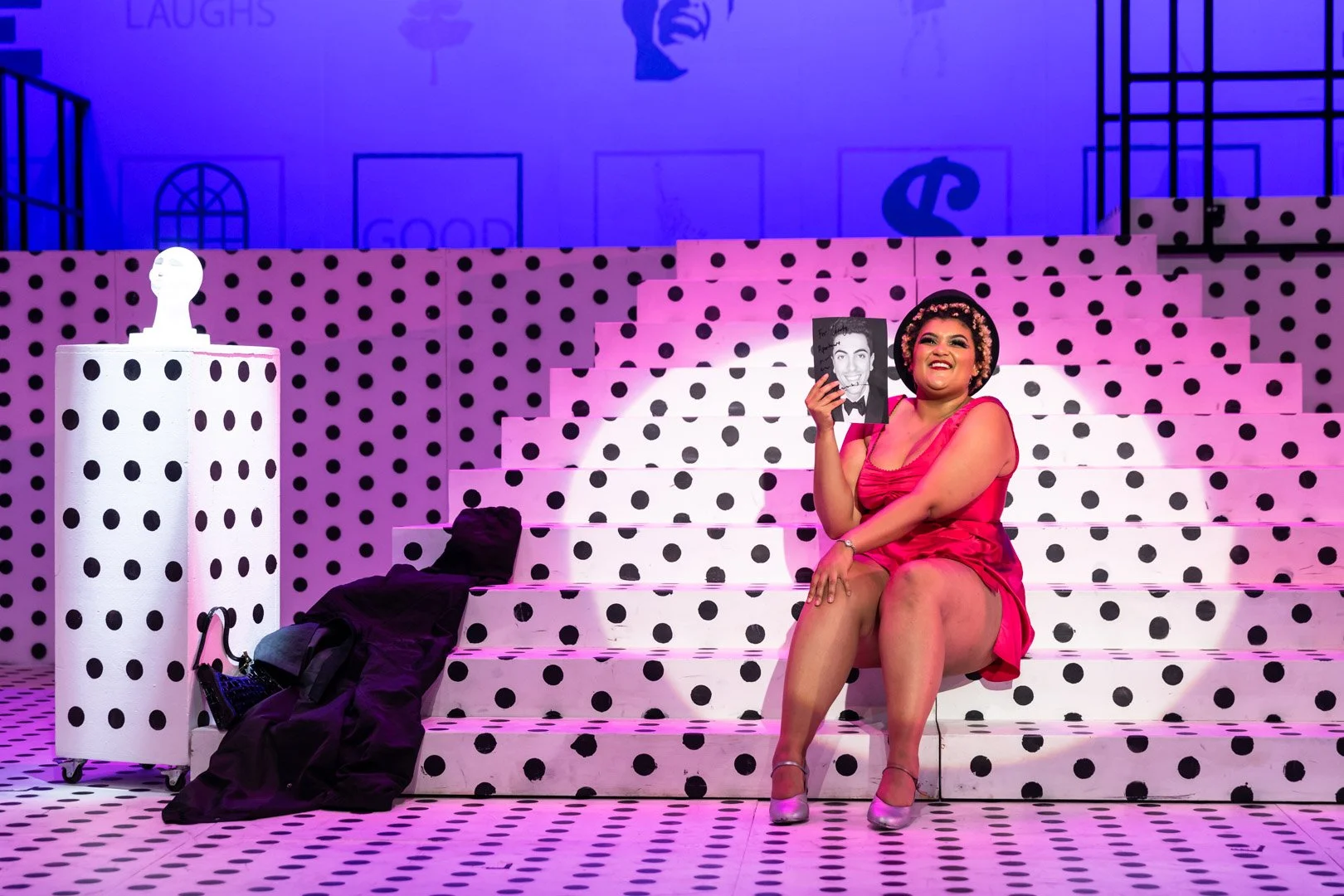
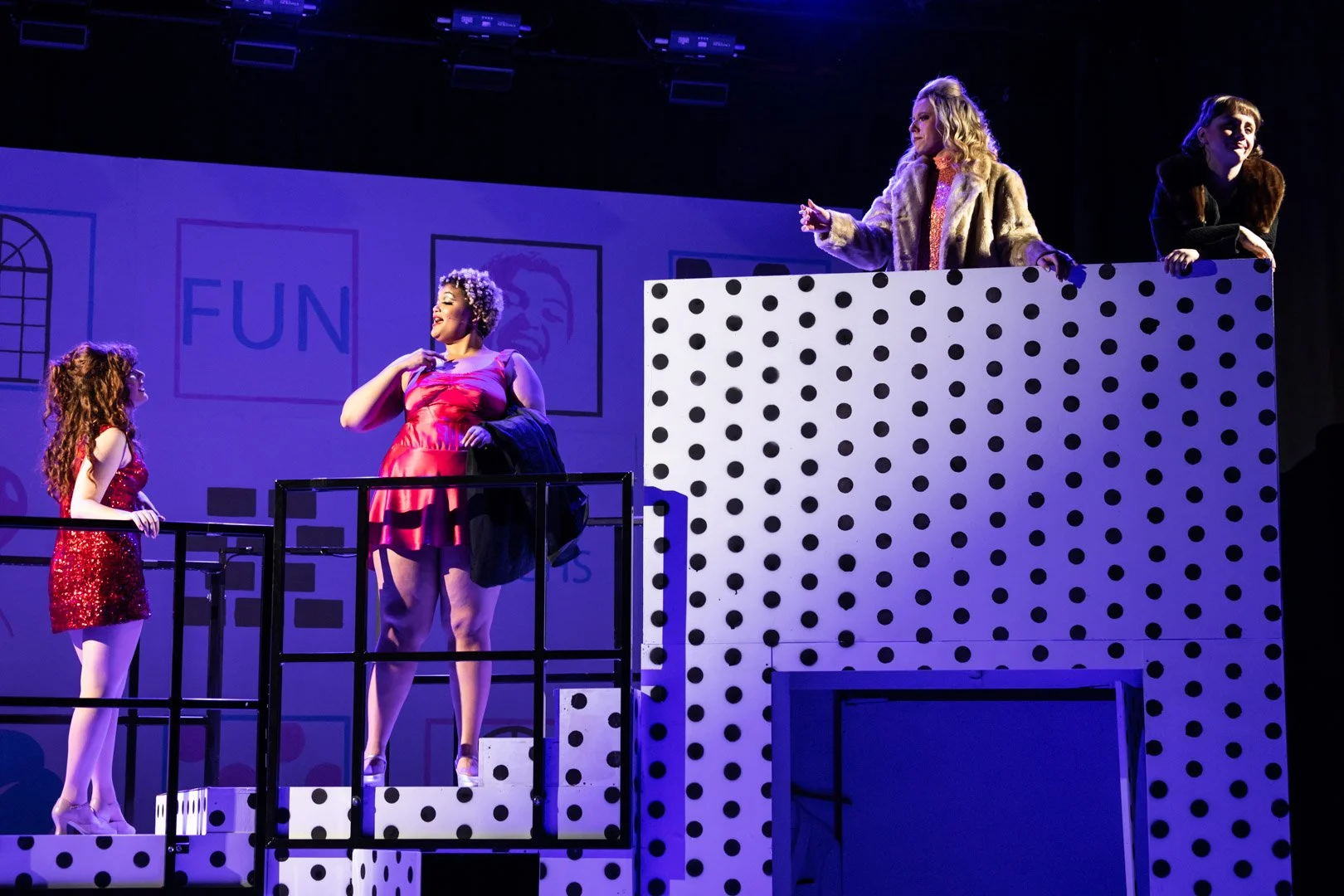
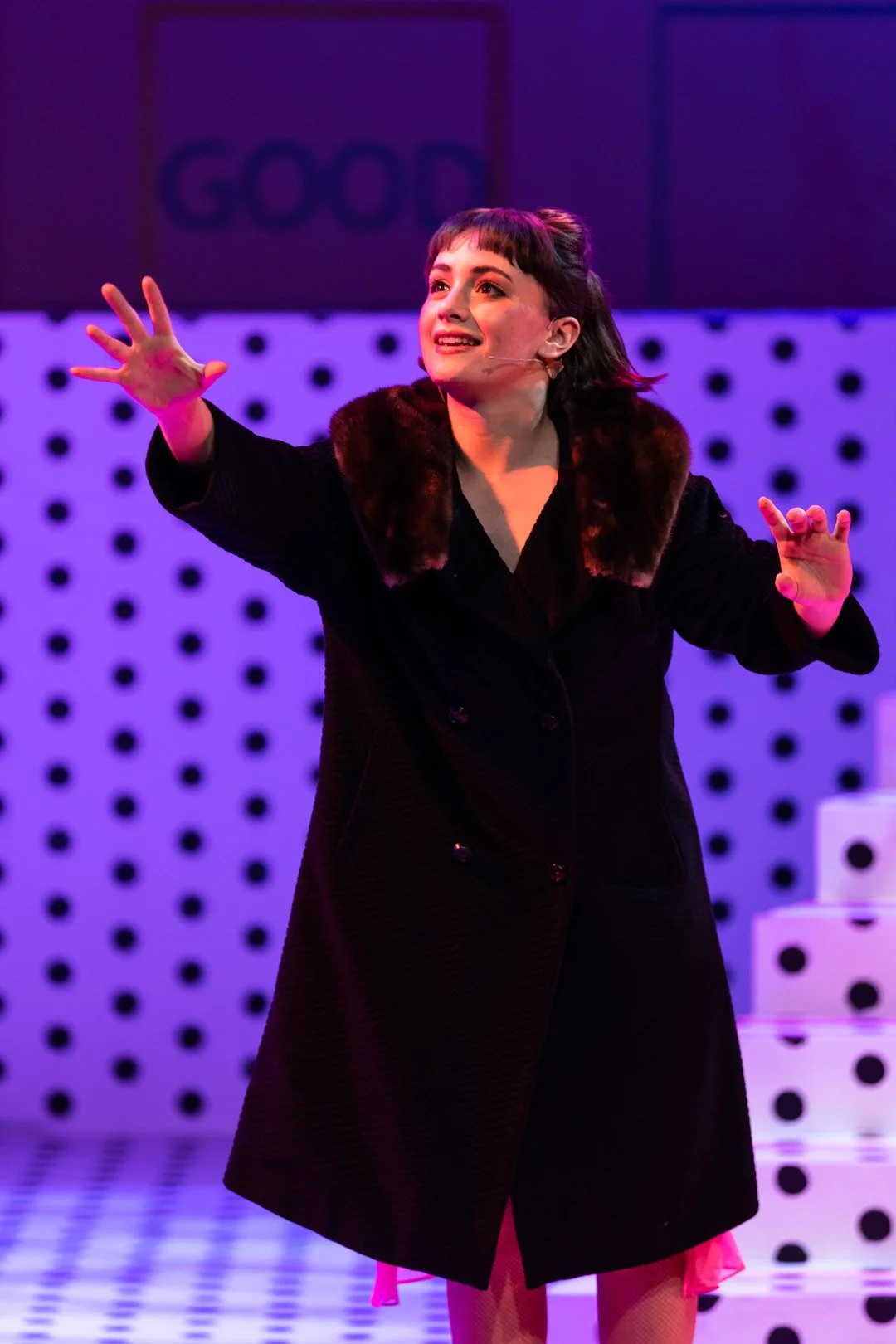
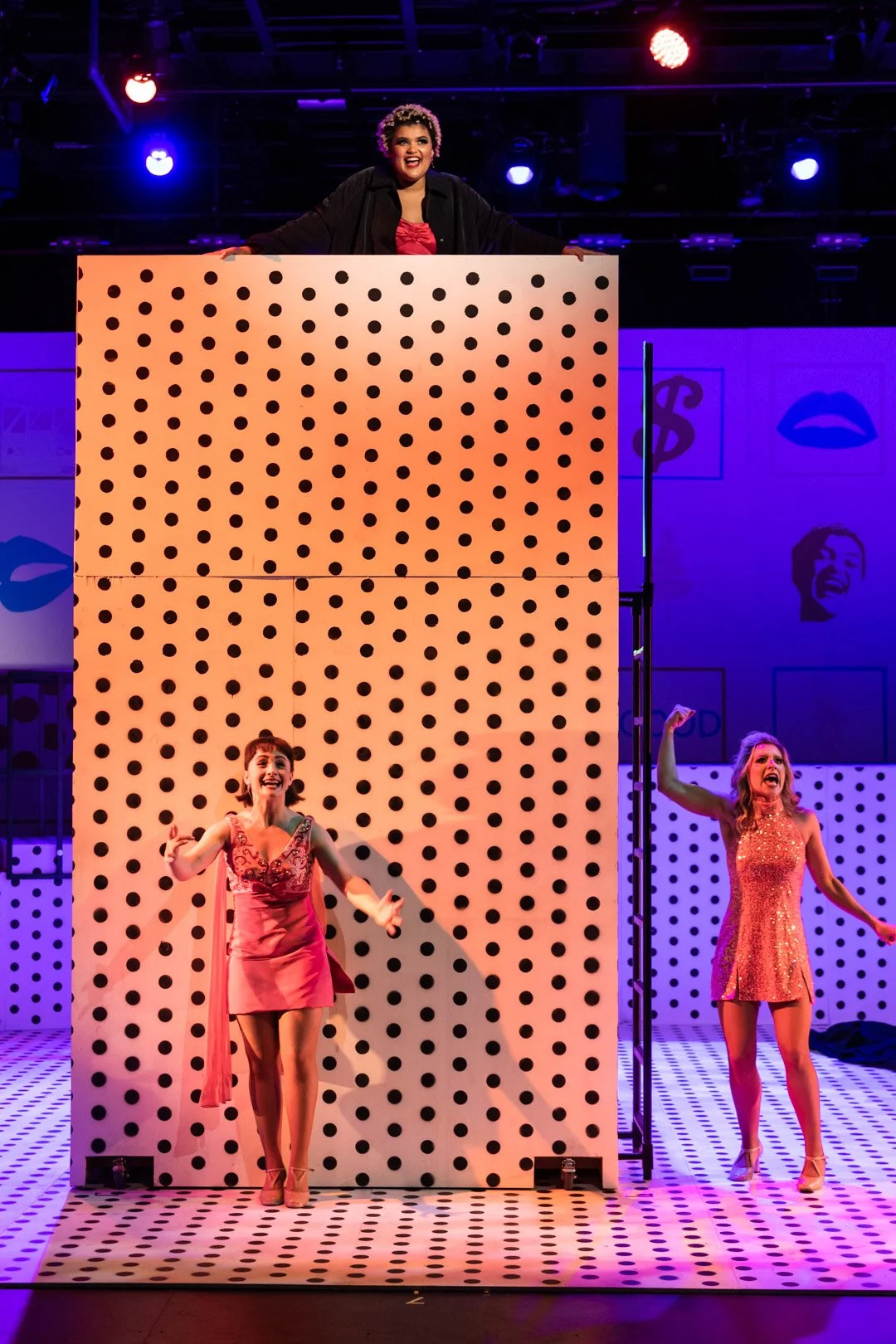
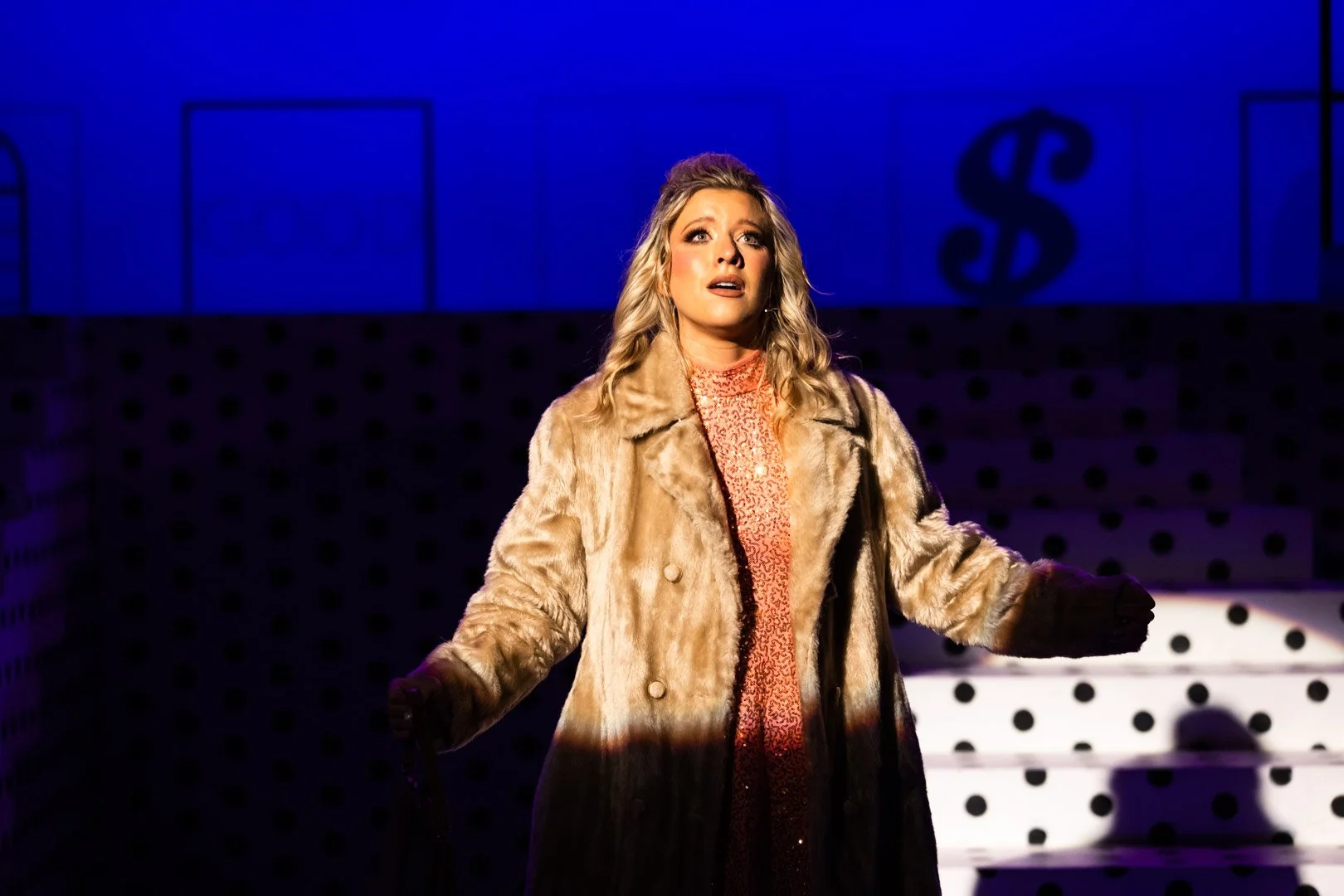
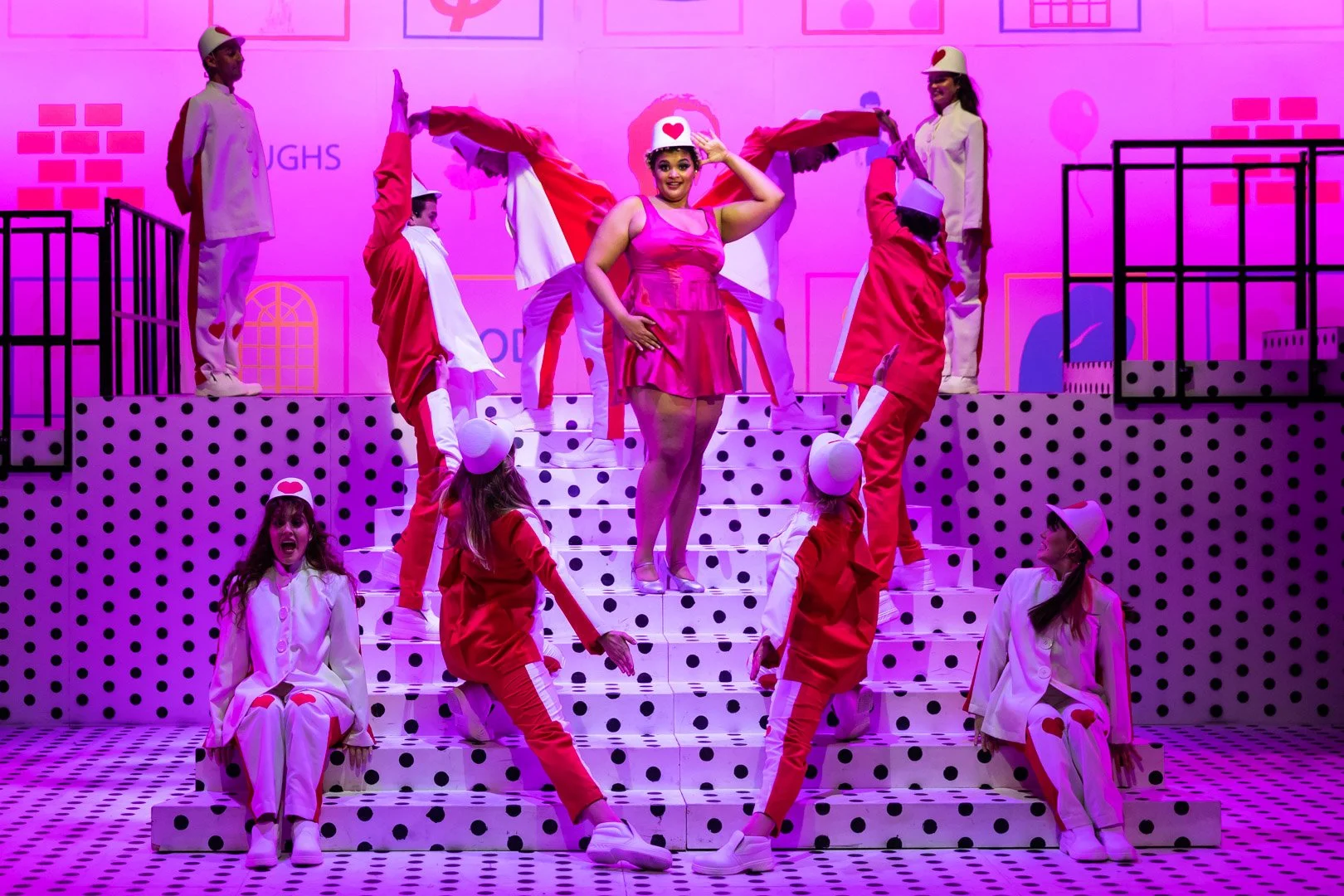
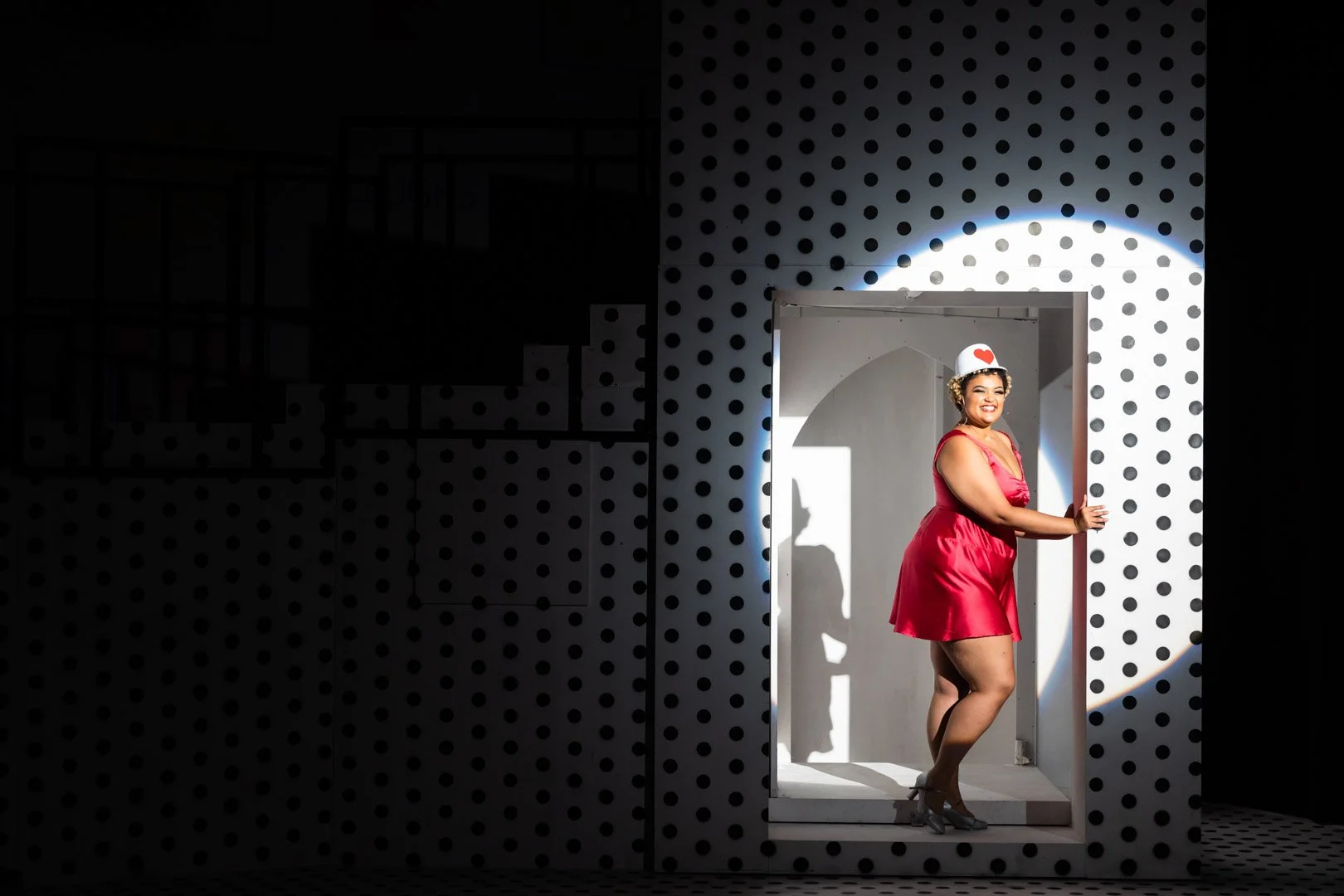
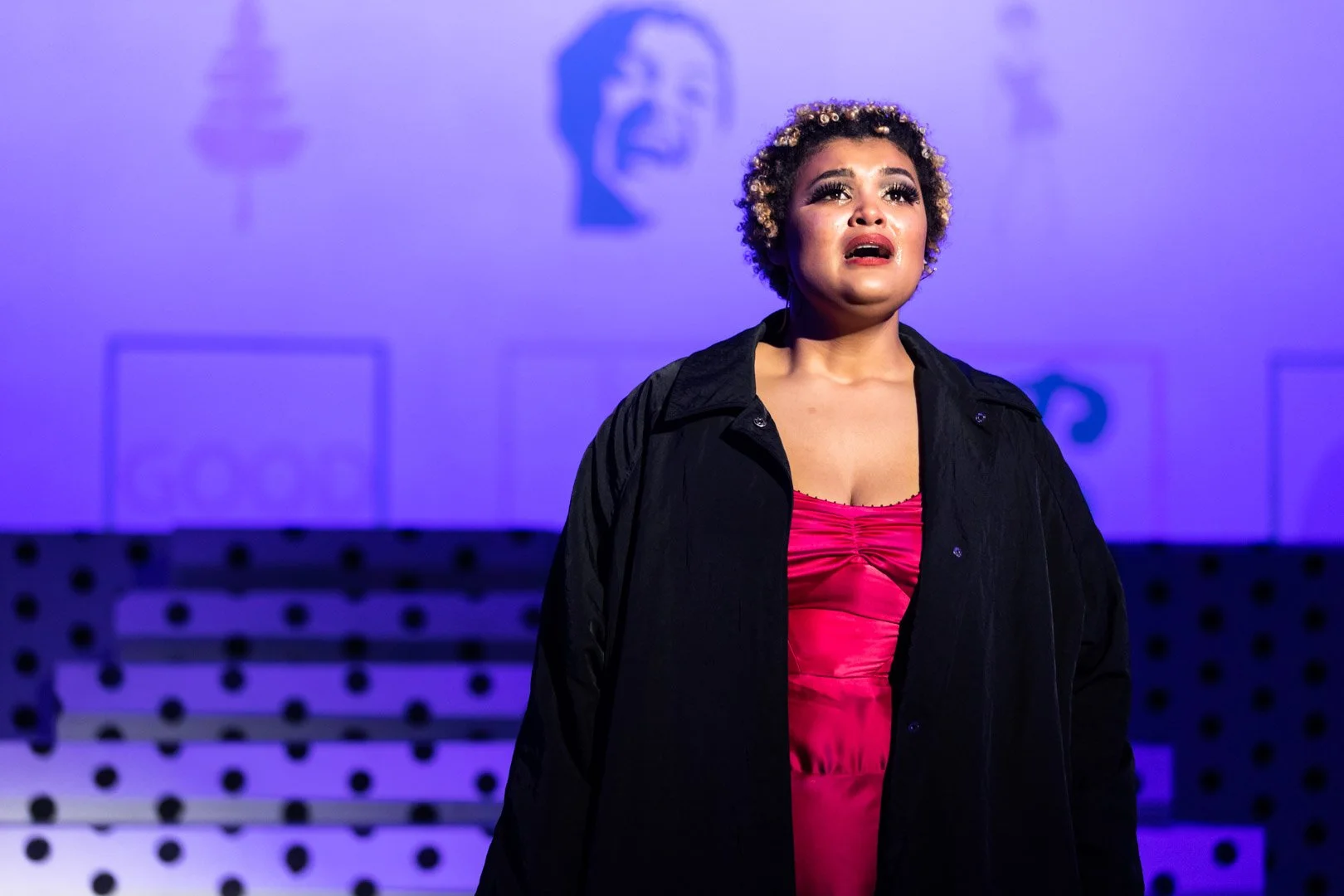
Sweet Charity is a musical theatre classic, with original choreography and direction by Bob Fosse, book by Neil Simon, music by Cy Coleman and lyrics by Dorothy Fields. It follows the romantic trials and tribulations of Charity Hope Valentine, a woman seeking love in all the wrong places. As a taxi dancer at the seedy Fan Dango Ballroom, she cultivates an unusually optimistic and romantic worldview - vindicated when, through a chance meeting, she spends an evening with the international film star Vittorio Vidal. After sharing the details of this encounter with her friends Nickie and Helene, they each eventually reveal their dreams for “something better”, leaving Charity resolute in her desire for a more fulfilling life. Her newfound commitment to self-empowerment takes her to the 92nd St Y, where she meets Oscar: a neurotic, socially awkward tax accountant. Their relationship begins unconventionally as they find themselves trapped in an old elevator together, but soon blossoms on the many dates that follow. Charity starts to believe he is ‘the one’ and they become engaged. However, things don’t end with happily ever after, leaving her utterly heartbroken. In her darkest hour, she comes to realise that she is the “bravest individual” she has ever met - a turning point that brings her into a more honest relationship with herself and ultimately sets her on a new path to a more fulfilling life.
Show info
Performed October 2021 at Space 28, VCA
Book by: Neil Simon
Lyrics by: Dorothy Fields
Music by: Cy Coleman
Director: Jayde Kirchert
Asst. Director: Alice Qin
Musical Director: Martine Wengrow
Choreographer: Freya List
Set Designer: XaSha Chua-Huggins | Associate Set Designer: Hana Kuhlmann
Costumer Designer: Tessa Cleary-Moore | Associate Costume Designer: Sarah Hordern
Lighting Designer: Giovanna Yate González | Head Electrician: Kane Wilson
Sound Designer: Ethan Hunter | Orchestra Manager: Isabella Stephens
Production Stage Manager: Rachel Bell | Deputy Stage Manager: Miranda Larsson
Assistant Stage Manager: Madison Brake | Assistant Stage Manager: Tallulah Gordon
Technical Manager: Seb Miloradovic | Deputy Head Electrician: Theo Viney
Sound Programmer and Operator: Taarani Charrett-Dunlop
Workshop HOD: Robert Watson | Workshop Leading Hand: Sasha Vulling
Costume Manager: Wendy Borg | Senior Costumier: Moony Simpson
Costume Assistant: Rebeca Silveira | Workshop Assistant: Olivia Rose Brennan
Workshop Assistant: Charlie Craft | Workshop Assistant: Evelyn Housham
Cast: VCA Music Theatre Company 21, with ensemble support from Company 22
Image credits Drew Echberg